Discover the Suitable Lab Grown Diamond Engagement Ring to Celebrate Your Unique Love Journey
Discovering the optimal lab-grown diamond engagement ring is an essential step in noting a pair's one-of-a-kind love journey. These diamonds offer the same luster as extracted rocks, with honest sourcing and affordability. Understanding the numerous options available, from forms to modification, can assist couples pick a ring that absolutely shows their connection. The procedure can be both interesting and frustrating, triggering a closer look at what makes these rubies stick out.
Comprehending Lab-Grown Diamonds: What Makes Them Unique
While many individuals associate rubies with natural formations over numerous years, lab-grown diamonds provide an interesting alternative that retains the very same physical and chemical homes as their mined equivalents. Created with advanced technical processes, these rubies are formed in weeks instead than eons. Making use of methods such as High Pressure High Temperature Level (HPHT) or Chemical Vapor Deposition (CVD), lab-grown diamonds exhibit identical solidity, radiance, and refractive high qualities. Furthermore, they are often more morally sourced and eco-friendly, attending to problems related to standard diamond mining. Lab-grown diamonds additionally have a tendency to be more cost effective, offering customers with a larger array of choices for their engagement rings (lab grown diamond engagement rings). Their unique attributes make them an enticing choice for pairs seeking appeal and sustainability in their icon of love
Choosing the Right Shape and Style for Your Engagement Ring
Setting a Budget Plan: Locating the Perfect Equilibrium
Establishing a budget for an interaction ring is essential, as it guarantees that the couple can discover a piece that lines up with their financial scenario without sacrificing quality or style. Establishing a clear budget plan enables couples to tighten down their choices and concentrate on what genuinely matters. This procedure includes taking into consideration not just the cost of the diamond yet likewise the setting and any type of extra functions. When determining an ideal price range, couples should take into account their cost savings, month-to-month expenditures, and future economic goals. By setting a spending plan, they can my response explore different styles and settings, guaranteeing they discover a lab-grown diamond engagement ring that mirrors their love while remaining financially liable. Balancing need and practicality is type in this trip.
Personalization Options: Creating a Ring That Informs Your Tale
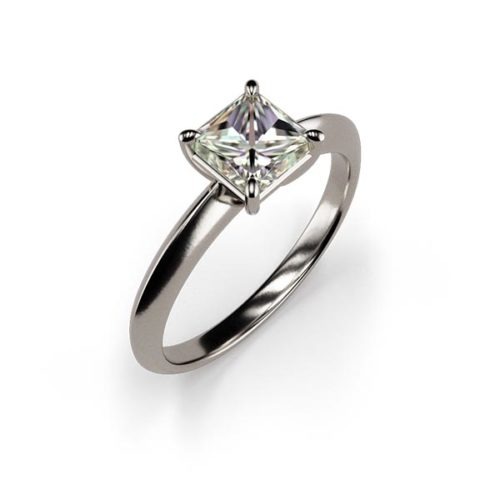
Having actually developed a spending plan, pairs can currently discover the amazing globe of personalization choices for their engagement ring. Customization enables for an one-of-a-kind expression of their romance. They can pick from different designs, including solitaire, vintage, or halo settings, each showing different visual appeals. Picking the metal-- such as white gold, yellow gold, or useful link climbed gold-- adds an additional layer of uniqueness. Pairs may additionally think about various diamond shapes, like round, princess, or emerald cut, depending on their choices. On top of that, etching messages or icons on the band can produce a long-term memory. Eventually, these modification options equip pairs to develop a ring that not just showcases their love but likewise captures their common trip and distinctive characters.
Taking care of Your Lab-Grown Diamond Engagement Ring
Proper treatment is essential for keeping the beauty and sparkle of a lab-grown diamond engagement ring (lab grown diamond engagement rings). Routine cleaning can enhance its glimmer; a mild option of warm water and mild soap is advised. Using a soft brush, one can remove dirt and oils collected on the diamond and setting. It is essential to stay clear of abrasive products and harsh chemicals, as these can harm the ring's surface area. Furthermore, saving the ring in a fabric-lined box can stop scrapes and contend other fashion jewelry. Routine specialist inspections can help determine loose stones or use, making certain long life. By following these care standards, one can maintain the ring's gloss, making it an enduring icon of love
Often Asked Concerns
Are Lab-Grown Diamonds Fairly Sourced and Eco-friendly?
Lab-grown diamonds are generally considered ethically sourced and eco-friendly. They are developed using lasting techniques that lessen environmental effect, avoiding the ethical problems often linked with conventional diamond mining, making them a responsible choice for customers.
Exactly How Do Lab-Grown Diamonds Compare to Natural Diamonds in Value?
What Is the Life-span of a Lab-Grown Diamond?
Lab-grown rubies are developed to last indefinitely, similar to all-natural rubies. Their durability guarantees they can withstand daily wear, keeping their radiance and quality over time, making them an enduring symbol of commitment and love.
Can Lab-Grown Diamonds Be Re-Cut or Resized Easily?
Lab-grown diamonds can be re-cut or resized, similar to all-natural diamonds (lab grown diamond engagement rings). Professional jewelry experts possess the essential devices and abilities to readjust these rubies, guaranteeing they preserve their sparkle and honesty throughout the procedure
Do Lab-Grown Diamonds Have Any Kind Of Resale Worth?
Lab-grown rubies usually have reduced resale worths contrasted to natural diamonds because of market understanding and demand. Their value can rise and fall based on quality, qualification, and current patterns in the jewelry market.
While several individuals associate diamonds with natural formations over millions of years, lab-grown diamonds use a fascinating option that preserves the exact same physical and chemical properties as their mined equivalents. Lab-grown rubies usually set you back 20-40% much less than natural diamonds, using comparable quality and look. Lab-grown rubies are designed to last indefinitely, comparable to all-natural rubies. Lab-grown diamonds can be re-cut or resized, similar to natural diamonds. Lab-grown rubies usually have reduced resale values compared to natural rubies due to market perception and need.